How to Build a Medieval Castle for School Projects
Embarking on a medieval castle school project is an exciting journey into history! Crafting a realistic and detailed model can seem daunting, but with careful planning and creative application of materials, your castle can become a magnificent centerpiece for your project. This guide will help you understand the history of medieval castles, their key architectural features, and provide step-by-step techniques to create your own.
The Middle Ages, spanning the 5th to the 15th century, saw the rise of castles as symbols of power and protection. Understanding the evolution of castle architecture will inform your design choices, making your project more authentic and engaging.
Key Features of Medieval Castles
Medieval castles were not just homes for royalty; they were also fortresses designed to withstand invasions. A basic understanding of these key features will help your castle project.
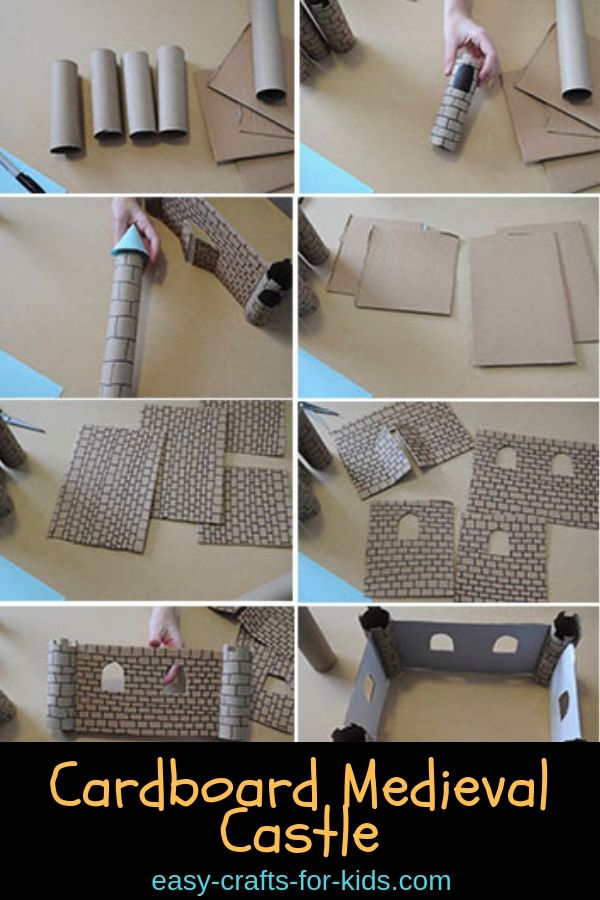


Castles typically consisted of multiple layers of defense, starting with a deep, wide ditch called a moat, followed by walls with battlements, towers, and finally, a central keep or donjon. Each of these elements played a crucial role in castle defense and provides ample opportunity for creative design.
Defensive Walls
Castle walls were massive structures made of stone, brick, or a combination of both, providing an initial barrier against attacks. In your project, you can replicate these walls using cardboard or foam board, reinforcing them with strips of tape or overlapping joins to mimic the strength of stone.


To add authenticity, include features like battlements – alternating high and low segments along the wall to protect archers and completely expose attackers. You can also incorporate arrow slits or murder holes for pouring boiling oil or hot sand on invaders.
Towers and Keeps
Towers and keeps served as last resorts of defense and residences for the castle's inhabitants. They were usually made of stone, built on rock foundations, and often accessed through secret or hidden entrances. In your project, towers can be constructed from cardstock or foam board, attached to and visible behind the decorative walls.
To make your keep tower, use a sturdy base for stability, then add layers of cardstock or foam board, tapering in the top to resemble a real keep. You can also decorate the tower with merlons (battlement tops) and cut out large, narrow windows for a realistic appearance.


Design and Decorative Details
A well-designed castle project goes beyond just walls and towers. Incorporating typical castle elements like gatehouses, bridges, portcullises, and meaningful architectural details will enhance your castle's authenticity and appearance.
Adding functional features like working doors and catapults, and using a mix of materials like foam board, cardstock, and paper for construction, will bring your project to life while keeping it manageable.
Creating a Gatehouse
A gatehouse provided the main entrance to the castle and had to withstand numerous attacks. In your project, create a sturdy gatehouse using foam board, with a large, arched main gate and smaller postern gate for escape purposes. Adding a working portcullis made of cardstock or drinking straws will make it more interactive and fun.


You can also construct a simple pulley system using threads or strings to raise and lower the portcullis, and design the gatehouse to house guards or soldiers. Painting or decorating the gatehouse with heraldic crests or detail will complete the look and demonstrate your understanding of castle architecture.
Building a Bridge and Moat
A moat, a wide ditch filled with water around the castle, provided an additional layer of defense. In your project, dig a shallow moat in your base and fill it with water, or simply paint it blue if dry conditions are necessary.
For the bridge, use foam board to create an arching design that spans your moat. Reinforce the bridge with cardboard strips and add decorative elements like stone or brick textures to match your castle walls.
Remember, your project should be both historically accurate and fun to create. With careful planning, creativity, and a willingness to learn, your medieval castle can be an impressive and engaging educational tool. As you build and decorate your castle, share your learning and experiences with others, inspiring them to explore the fascinating world of medieval history – and who knows, perhaps you'll even inspire a real-life castle builder of the future!
Related Articles

How to Build a Giant Sandcastle
Ever dreamt of building an awe-inspiring, Instagram-worthy sandcastle on your next beach vacation? With the right tools, techniques, and a bit of creativity...

How to Build Sand Castles for Kids
Nothing beats a sunny day at the beach for children, and what could be more fun than creating their own masterpiece in the sand? Building a sandcastle is an...

Mastering the Beach: Build Sand Castles like a Pro
Gather your tools and head down to the shoreline, because we're about to turn the tide on traditional beach activities with a fun, imaginative project...

How to Build the Biggest Sand Castle Ever
Dreaming of creating the ultimate sandcastle on your next beach vacation? Building the biggest sandcastle isn't just about grabbing a shovel and bucket; it's a...

Crafting a Dream Catcher: A Step-by-Step School Project
Looking for a creative and meaningful school project? Why not explore Native American heritage and craft a dream catcher? These beautiful, symbolic ornaments...

How to Build an Awesome Sandcastle in Easy Steps
Once the sun starts shining and the beach season kicks off, there's one activity that immediately comes to mind: building a sandcastle! Not just any...