How to Color a Lion's Face
Coloring a lion face might seem like a daunting task, but with the right approach, you can create vibrant and realistic results. Known for their majestic manes and powerful presence, lions are beloved subjects in art and design. Let's explore how to capture the essence of these magnificent creatures using color.
Before you begin, gather your materials. You'll need colored pencils or paints, a reference image, and a drawing or painting surface. For pencils, consider using a set with a wide range of colors to capture the diverse hues of a lion's coat. For paints, opt for acrylic, watercolor, or oil paints based on your preference and experience.
Understanding Lion Coat Colors
Natural Color Palette
Lions exhibit a range of colors, from light sandy to deep reddish-brown, with their manes varying from black to blonde or white. To start, familiarize yourself with the natural color palette of lions. Observe reference images to understand the nuances of their coat colors.


Notice how darker colors are typically at the top of the head and on the tip of the tail, while lighter shades dominate the belly and inner thighs. This understanding will help you create depth and dimension in your colored lion face.
Common Colors and Their Hues
Investigate the most common colors found in a lion's coat and study their hues. For example, light orange or sandy brown might be the base color, with darker undertones of raw umber, dark brown, or even black. Similarly, lighter shades can range from cream to light beige.


Look for subtle variations in color, such as cooler or warmer undertones. A sunlit lion might exhibit warmer hues of orange and red, while a lion in the shade could appear cooler with greens or blues mixed into the brown. Capture these details to give your lion face a realistic appearance.
Techniques for Coloring a Lion Face
Building Layers of Color
Start with a light base color, applying it softly and gently. Focus on creating smooth transitions between colors, as lions' coats are generally seamless and uniform. For pencil artists, use light pressure to build up base colors, while painters can apply thin layers that dry quickly for blending.
Begin with the darker regions around the face and mane, gradually lightening the colors as you move towards the belly and inner thigh areas. This technique helps create natural shading and highlights, adding depth and dimension to your lion face.
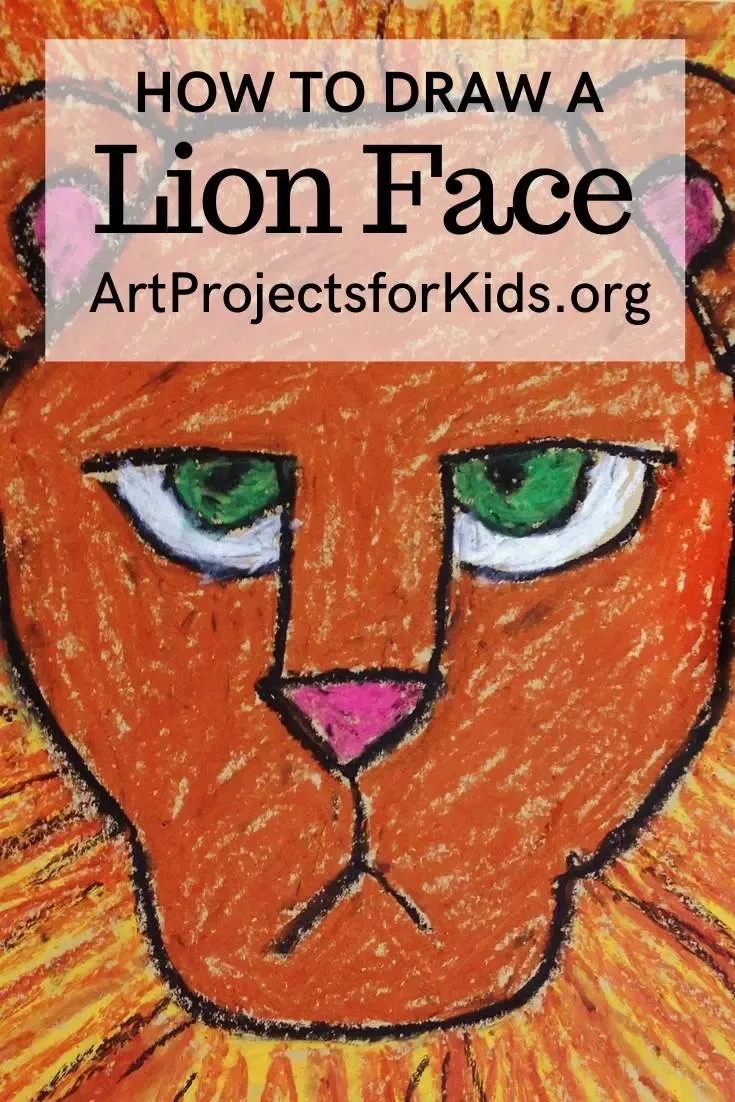


Using Color Theory for Realism
Leverage color theory to make your lion face pop. Complementary colors, for instance, can create striking contrast and emphasize specific features. For example, using a light blue on the lion's face can make the oranges and reds in its mane stand out more.
Similarly, use analogous colors – colors that are next to each other on the color wheel – to create a sense of harmony. Consider using different shades of orange, red, and yellow to capture the warmth and richness of a lion's coat.
Finishing Touches
Adding Details with Highlights and Shading
Once you've laid down the base colors, enhance your lion face with highlights and shading. Use white or a light color to add highlights to the sunglit areas, such as the tips of the ears, around the eyes, and on the nose. This will draw the viewer's eye to these features and create a sense of volume.


For shading, use a darker color or a mix of colors to add depth and realism. Apply these darker shades to the underside of features like the mane and muzzle, as well as in the creases around the eyes and nose. Blend these areas carefully to create smooth transitions.
Blending and Softening Edges
Blend colors together to create a seamless transition between different shades. Paint artists can use a damp brush or water to blend colors, while pencil artists can use light feathering strokes to create a smooth transition.
Softening edges helps create a more realistic appearance, so don't hesitant to blend even the darkest and lightest areas. This will help integrate the lion face with the rest of your artwork, making it feel more cohesive and natural.
Coloring a lion face can be a rewarding experience, allowing you to capture the beauty and power of these majestic creatures. As you develop your skills and confidence, experiment with different artistic styles and techniques to make your lion face truly unique. Happy coloring!
Related Articles
Lion Face Color Drawing Tutorial
The magnetic allure of the lion, the king of the jungle, extends beyond its majestic presence in the wild. The powerful feline's fierce and regal face has...

Discover Lion's Unique Color Vision: The Fascinating Facts
Lion Color Vision: Unveiling the Scopic Marvels of These Majestic Cats Lions, the formidable apex predators, are renowned for their strength and power...

Lion Face Drawing Color Easy
Unleash your creativity with our simple guide on 'lion face drawing color easy'. Perfect for beginners or those seeking a fun, stress-free artistic experience...

Lion's Eye Colors: A Striking Natural Wonder
The captivating gaze of a lion is not merely an observation, but an experience. Central to this is the captivating color of their eyes, which ranges from...

Easy Angry Lion Drawing Tutorial: Color Your Way to Fierce Art
Is your inner artist itching to create something majestic? Have you been searching for an engaging and easy drawing tutorial to fill your artistic cravings?...

Lion's Hex Color Code
The color of a lion, the king of the jungle, is a topic that intrigues both individuals with a keen interest in nature and designers seeking inspiration for...