Mastering How to Draw a Bison Face: Step-by-Step Tutorial
In the expansive plains of North America resides the majestic bison, a once-endangered species that has made a remarkable comeback. With a strong, distinct face full of character, the bison is an inspiring subject for artists of all levels. So, how do you draw a bison face that captures its wild essence and nobility? Let's explore the process with our step-by-step guide.
To begin, it's crucial to understand the bison's facial features and proportions. This guide will walk you through the essential sketching techniques, emphasizing the key elements of the bison's face. With dedication and practice, you'll be able to create striking bison portraits that portray their strength and grace. Let's dive in!
Understanding Bison Anatomy and Facial Features
The first step in drawing any complex subject is to familiarize yourself with its anatomy. Bisons have a unique face, dominated by a large, blocky head and distinct facial features. Understanding these components will help you create a lifelike portrait.


Two key features you'll focus on are the bison's massive, curved horns and its distinctive, broad nose. These, along with its deep forehead, small but expressive eyes, and thick, shaggy coat around the neck and shoulders, define a bison's face.
Sketching the Basic Facial Structure
Start your drawing by sketching the basic shape of the bison's face. Use simple ovals and circles to establish the proportions. Remember, bison have a large, blocky head, so your initial sketch should reflect this. Draw a large oval for the head, then add a smaller oval within it for the face.


Next, sketch the basic shape of the bison's horns. These are curved and triangular, with a sharp point at the tip. Also, add a simple oval for the bison's broad, leathery nose. Remember, a bison's nose is wider and more prominent than a cow's or a horse's.
Refining the Facial Details
Now that you have the basic shape, it's time to add more details. Begin by refining the horns. They should be thick and curved, with a distinct, sharp point. Also, add depth to the horns by shading the underside, indicating the direction of light.
Next, focus on the bison's eyes. These are small compared to the overall size of the head but are expressive and full of life. Sketch small, almond-shaped eyes, and use subtle shading to create a sense of depth. Also, add a short, black streak above each eye to depict the thick, brown hair that covers a bison's forehead.
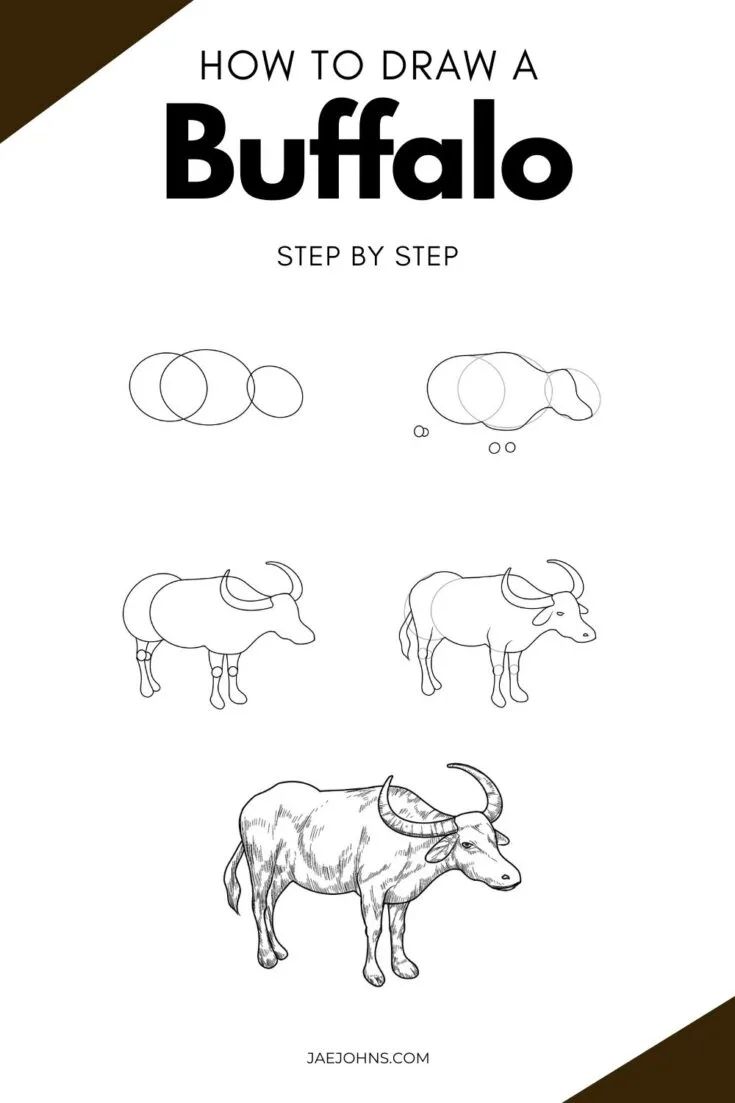


Capturing the Spirit of the Bison
Beyond accurately portraying the physical features, capturing the spirit of the bison is essential for a compelling portrait. This involves observing the animal's behavior and attitude and translating that into your drawing.
Bisons can display a range of emotions, from serene and calm to aggressive and defensive. Pay close attention to the animal's posture and expression, as these can greatly impact your final drawing. A slightly lowered head and tense body language might indicate aggression, while a relaxed, curious posture could convey a more open and friendly demeanor.
Expressing Emotion Through Facial Expression
To create a more expressive drawing, focus on the bison's eyes and nostrils. The eyes can show a wide range of emotions, from curiosity and playfulness to anger and fear. Observe the animal's gaze and try to capture its essence in your drawing.


Similarly, the bison's nostrils can also convey a lot about its mood. When a bison is calm or relaxed, its nostrils will be relaxed and-flat. However, they can quickly flare up when the animal is alarmed or angry. Paying attention to these subtle details can help you create a more dynamic and engaging portrait.
Emphasizing the Thick Coat and Fur
Bisons have a thick, shaggy coat that covers much of their face, especially around the neck and shoulders. To accurately depict this, use short, curved lines to show the direction and texture of the fur. Remember, the fur will be thicker and more prominent on the bison's neck and jawline, tapering off towards the top of the head.
Also, use shading to create depth and texture. The thick fur will cast heavy shadows, creating a sense of volume and depth. Use darker shading on the underside of the bison's neck and jaw to create the illusion of thickness and depth. Conversely, use lighter shading on the top of the bison's head and neck to show where the light is coming from.
Drawing a bison face is a rewarding experience that allows you to capture the noble spirit of this majestic creature. Practice regularly, and don't be afraid to explore different styles and techniques. With dedication and patience, you'll soon be creating stunning bison portraits that showcase your artistic talent. Happy drawing!
Related Articles

Mastering the Skull: Step-by-Step Pencil Drawing Tutorial
Ever felt intrigued by the mysteries of life encapsulated in the human skull? Drawing one can be an eerily fascinating and rewarding experience. With just a...
"Easy Bison Drawing Tutorial: Step-by-Step Guide"
Ever dreamed of capturing the rugged beauty oficons of the Great Plains on paper? Let's learn how to draw a bison in simple, easy-to-follow steps. No need for...

Mastering Bison Drawing: Step-by-Step Guide
Embarking on a journey to draw a bison? A majestic American landscape staple, this mighty creature can be both challenging and rewarding to illustrate. In this...
How to Draw a Bison: Step-by-Step Video Tutorial
Ever wondered how to capture the majestic spirit of a bison in a drawing? Whether you're an aspiring artist or simply want to improve your sketching skills...

How to Draw a Coyote: Step-by-Step Tutorial
Embarking on a creative journey to capture the essence of a coyote in your sketchbook can be a rewarding experience. Coyotes, with their distinct features and...

Learn to Draw a Zebra Step-by-Step: Fun Kids Art Tutorial
What could be more exciting for kids than drawing their favorite zoo animal? Today, we're going to learn how to draw a Zebra! Zebras are not only fun to look...